


How to Earn Your RMSK Certification: A Complete Guide for Sports Medicine & Rehabilitation Clinicians


Introduction: Why the RMSK Matters More Than Ever
As diagnostic ultrasound becomes a central tool in sports medicine, clinicians across physical therapy, chiropractic, primary care, orthopedics, performance rehab, and athletic medicine are turning toward the RMSK certification.
The RMSK credential validates advanced skill in diagnostic MSK ultrasound, ensuring accurate scanning, interpretation, and safer interventional guidance. For clinicians treating soft-tissue injuries, tendon pathology, sprains, or return-to-play athletes, RMSK distinction elevates your practice and increases patient confidence.
What Is the RMSK Certification?
The Registered in Musculoskeletal Sonography (RMSK) credential is awarded by the Alliance for Physician Certification & Advancement (APCA).
It is recognized globally as the highest standard of competency in MSK ultrasound.
Why clinicians pursue the RMSK:
Demonstrates advanced diagnostic skill
Strengthens patient care and safety
Improves clinical accuracy
Expands professional reputation
Supports insurance reimbursement
Enhances confidence in ultrasound-guided interventions
Eligibility Requirements for the RMSK Exam
1. Professional Licensure
You must actively practice as one of the following:
MD, DO, DPM, MBBS
DC*
NP*
PA*
DPT / PT*
(In good standing, without restrictions)
ATs*
2. Clinical Ultrasound Experience
Applicants must complete:
✔ 150 diagnostic MSK ultrasound studies (within the last 36 months)
No more than 5% (8 cases) may be injections or aspirations
Must be done on real patients, not simulation
Must be clinical, diagnostic ultrasound
Tip for readers: Keep an organized digital log of your studies. APCA may audit.
3. Recommended CME
CMEs are not required, but APCA highly recommends 30 CME hours in MSK ultrasound to strengthen exam performance.
RMSK Exam Content Breakdown (APCA Domains)
1. General Sonographic Anatomy – 26%
Regions included:
Abdominal wall
Ankle & foot
Chest wall
Elbow
Hand & wrist
Hip & groin
Knee
Shoulder
2. Sonographic Pathology – 23%
Abnormal physiology & tissue response
3. Ultrasound-Guided Interventional Procedures – 18%
Ankle & foot
Chest
Elbow
Hand & wrist
Hip & groin
Knee
Shoulder
4. Integration of Data – 7%
Incorporating clinical history, labs, and assessment findings
5. Physics & Instrumentation – 26%
Imaging fundamentals, knobology, artifacts

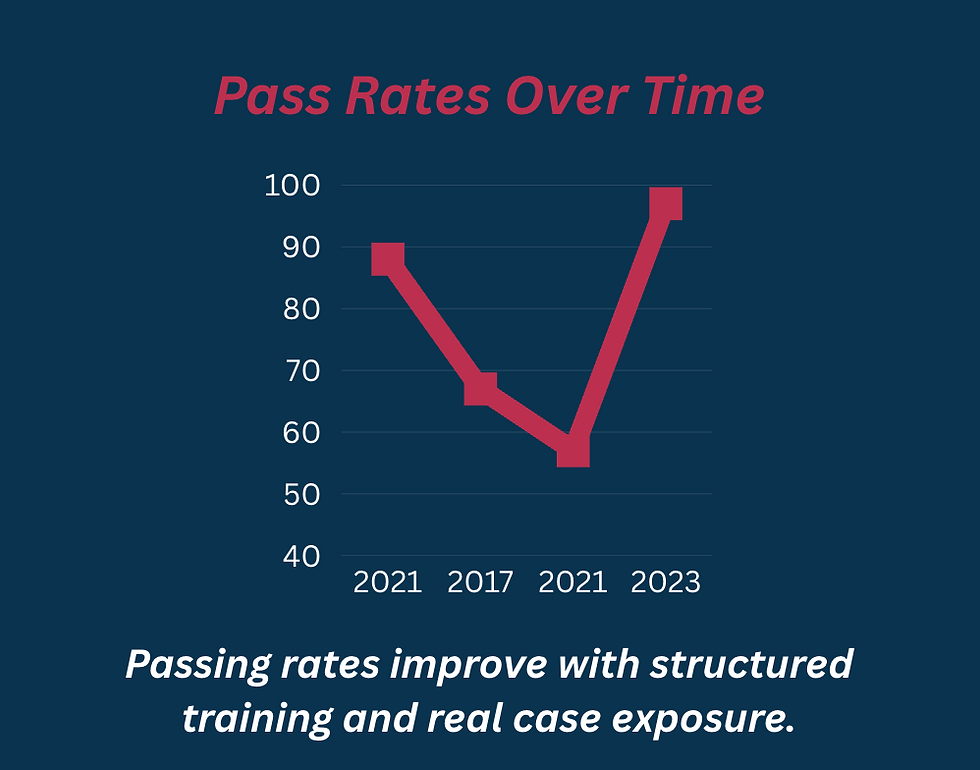
RMSK Pass Rates Over the Years
Pass rates vary year to year, but show a strong upward trend for first-time takers:
2023: 88%
2022: 75%
2021: 67%
2019–2017: 50–62% range
2012–2014: 92–97% (years open to all clinicians)
Why Clinicians Choose to Pursue RMSK
Clinicians consistently report that the RMSK:
Validates their diagnostic ultrasound skill
Enhances return-to-play decision making
Improves accuracy in identifying soft-tissue pathology
Increases confidence in interventional procedures
Boosts professional credibility among peers & sports teams
Supports insurance reimbursement where applicable
How Pura Health Helps Clinicians Prepare for the RMSK
🎓 2-Day Diagnostic Ultrasound Course
Perfect for clinicians who want hands-on scanning + RMSK exam preparation.
Upper Extremity Coverage:
Shoulder
Elbow
Wrist & Hand
Lower Extremity Coverage:
Hip
Knee
Ankle
Soft Tissue Injuries
Special Course:
💥 Lower Extremity Soft Tissue Course
Focused entirely on hamstring, quadriceps, calf, Achilles, and tendons involved in RTP.
RMSK Mentorship Program
Our mentorship is designed for clinicians who want:
Regular scan reviews
Real-time QA feedback
RMSK exam prep support
Case-based learning
Advanced MSK protocols
Confidence with anatomy + pathology

Final Thoughts: Your Path to RMSK Certification Starts Here
The RMSK credential is more than an exam its a major professional milestone in sports medicine imaging. Whether you’re a PT, DC, NP, PA, sports chiropractor, or medical provider, the RMSK helps you elevate your diagnostic precision and the quality of care you provide.
At Pura Health, we’re committed to supporting clinicians through courses, mentorship, and real-world scan experience to help you succeed.


Dobrze zaprojektowana edukacja zdalna może być równie skuteczna jak tradycyjna nauka, pod warunkiem że materiały są odpowiednio uporządkowane i angażujące. Krótkie lekcje, ćwiczenia, testy oraz materiały dodatkowe pomagają utrzymać regularność nauki. Ważne jest również umożliwienie uczniom samodzielnego kontrolowania postępów. Strona poświęcona metodom nauki online mogłaby być pomocna zarówno dla uczniów, jak i nauczycieli przygotowujących własne kursy.
Współczesne technologie informatyczne rozwijają się bardzo szybko, dlatego materiały edukacyjne powinny koncentrować się nie tylko na konkretnych narzędziach, ale także na podstawowych zasadach działania systemów. Artykuły o programowaniu, sieciach, bazach danych, bezpieczeństwie oraz chmurze mogą tworzyć solidną bazę wiedzy. Szczególnie wartościowe są poradniki zawierające praktyczne przykłady, dzięki którym czytelnik może samodzielnie przetestować omawiane rozwiązania.
Profesjonalne szkolenie pilotów wymaga połączenia wiedzy teoretycznej, praktyki oraz bardzo dobrego przygotowania do sytuacji nietypowych. Materiały edukacyjne dotyczące aerodynamiki, meteorologii, nawigacji oraz procedur lotniczych mogą być interesujące również dla osób, które dopiero rozważają rozpoczęcie nauki. Warto byłoby stworzyć przejrzystą bazę wiedzy przedstawiającą kolejne etapy szkolenia, wymagania oraz podstawowe pojęcia związane z lotnictwem cywilnym.
Tematy związane z logistyka i transport mają duże znaczenie dla współczesnego biznesu, szczególnie przy rosnącym znaczeniu handlu internetowego i międzynarodowych łańcuchów dostaw. Edukacyjne artykuły mogą wyjaśniać zagadnienia magazynowania, planowania tras, zarządzania zapasami oraz optymalizacji kosztów. Warto również przedstawiać konkretne przykłady pokazujące, jak technologie i analiza danych pomagają usprawniać procesy logistyczne w małych i dużych przedsiębiorstwach.
Rozwijanie kreatywne umiejętności może być przydatne nie tylko w zawodach związanych ze sztuką czy projektowaniem. Kreatywność pomaga również w marketingu, biznesie, edukacji i rozwiązywaniu codziennych problemów. Dobry serwis edukacyjny mógłby publikować ćwiczenia, przykłady projektów oraz praktyczne materiały dotyczące projektowania, pisania, tworzenia treści i pracy z narzędziami cyfrowymi. Szczególnie ciekawe byłoby pokazanie całego procesu od pomysłu do gotowego projektu.